
Soft Start with SSR in Electric Heat Tracing (EHT)
1. Introduction
In Electric Heat Tracing (EHT) systems, heater cables are used to maintain the temperature of pipelines, vessels, and process equipment.
When a heater circuit is energized suddenly at full power, the inrush current and rapid temperature rise may cause:
- Electrical stress on the heater cable
- Sudden load on the power system
- Reduced lifetime of SSR and circuit components
- Thermal shock to the pipeline
To prevent these issues, many modern EHT control panels implement a Soft Start function using Solid State Relays (SSR) and controller logic.
Soft start gradually increases the heating power instead of applying full power instantly.
A typical EHT control architecture includes:
| Component | Function |
|---|---|
| RTD (PT100) | Measures pipeline temperature |
| PLC / Controller | Executes control logic |
| PID Algorithm | Calculates required heating output |
| SSR | Switches AC power to heater |
| Heater Cable | Generates heat along pipeline |
Control sequence:
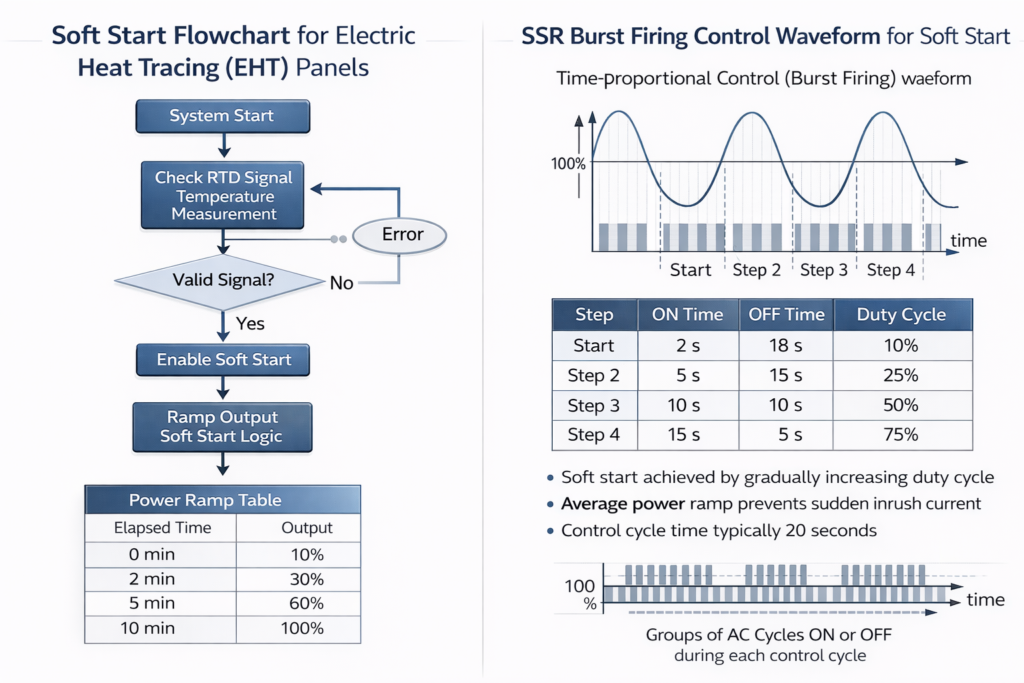
RTD → Controller → PID Calculation → SSR Switching → Heater Cable → Pipeline Temperature
2. What is Soft Start in EHT?
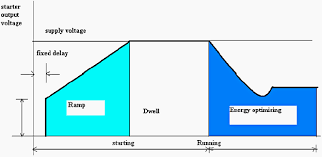
Soft start is a control strategy that gradually increases heater power when the system starts.
Instead of applying:
0% → 100% instantly
the system ramps power slowly:
0% → 20% → 40% → 60% → 80% → 100%
This reduces electrical and thermal stress.
3. Soft Start Principle with SSR
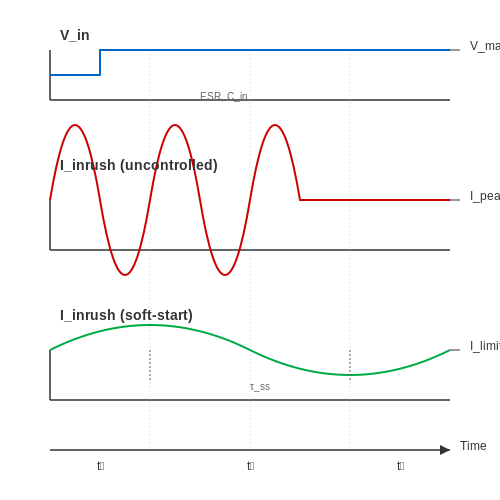
Because SSR is a switching device, it cannot directly reduce voltage.
SSR has only two states:
ON = Full AC Voltage (220/230 VAC)
OFF = 0 V
Therefore, soft start is implemented using time-proportional control (burst firing).
Example with a 20-second control cycle:
| Step | SSR Operation | Effective Power |
|---|---|---|
| Start | ON 2 s / OFF 18 s | 10% |
| Step 2 | ON 5 s / OFF 15 s | 25% |
| Step 3 | ON 10 s / OFF 10 s | 50% |
| Step 4 | ON 15 s / OFF 5 s | 75% |
| Normal | ON continuously | 100% |
The heater power increases gradually.
4. Soft Start Temperature Response
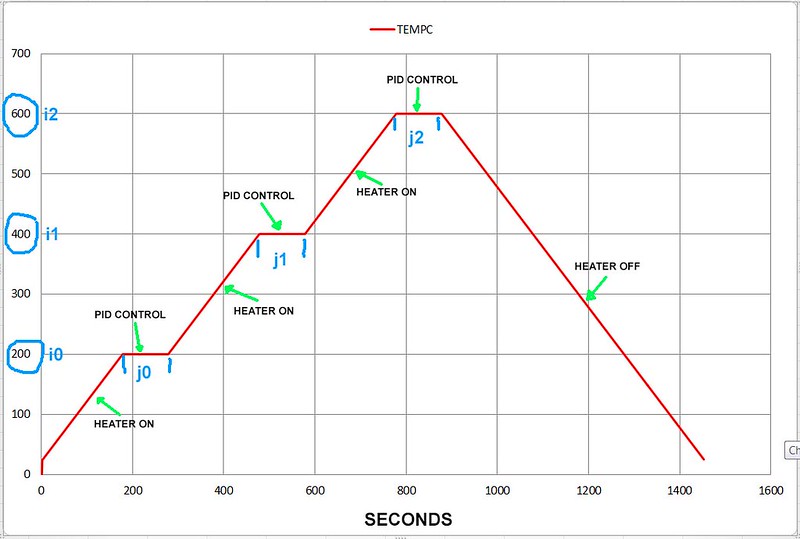
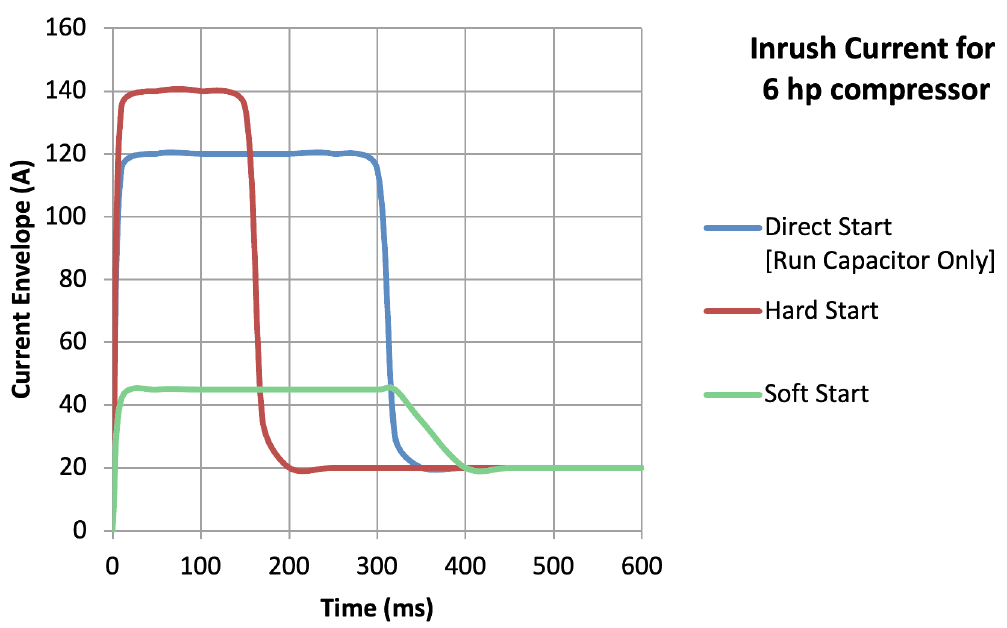
Soft start results in a smooth temperature rise.
Without soft start:
- Temperature rises rapidly
- High electrical current occurs at startup
With soft start:
- Temperature increases gradually
- System stability improves
5. Advantages of Soft Start in EHT
| Advantage | Description |
|---|---|
| Reduced Inrush Current | Prevents sudden current spikes |
| Extended Heater Lifetime | Avoids thermal shock |
| Protection for SSR | Lower switching stress |
| Stable Power System | Prevents voltage dip |
| Improved Control Stability | Smooth temperature ramp |
6. Example Soft Start Logic in PLC
Typical startup sequence:
System Start
      ↓
Check RTD signal
      ↓
Enable Soft Start
      ↓
Increase Output gradually
      ↓
Reach Normal PID Control
Example ramp table:
| Time | Output |
|---|---|
| 0 min | 10% |
| 2 min | 30% |
| 5 min | 60% |
| 10 min | 100% |
After reaching full output, the system switches to normal PID temperature control.
7. Why Soft Start is Important in Heat Tracing
Heat tracing cables can have significant cold-start current when energized.
Particularly:
- Self-regulating heater cables
- Long heater circuits
- Low ambient temperature conditions
Soft start helps prevent:
- Circuit breaker trips
- Excessive cable heating
- Power system disturbance
8. SSR Soft Start vs Contactor Start
| Feature | SSR Soft Start | Contactor Start |
|---|---|---|
| Startup stress | Low | High |
| Power control | Gradual | Instant |
| Temperature control | Smooth | Step change |
| Equipment lifetime | Longer | Shorter |
| Electrical noise | Low | Medium |
9. Conclusion
Soft start control using SSR and PID logic is widely used in modern Electric Heat Tracing control panels.
The method works by:
Gradually increasing SSR duty cycle
→ increasing heater power
→ preventing thermal and electrical stress
Benefits include:
- Improved heater reliability
- Reduced electrical disturbances
- Better temperature control stability
For large industrial heat tracing systems, soft start is considered an essential feature for safe and reliable operation.